
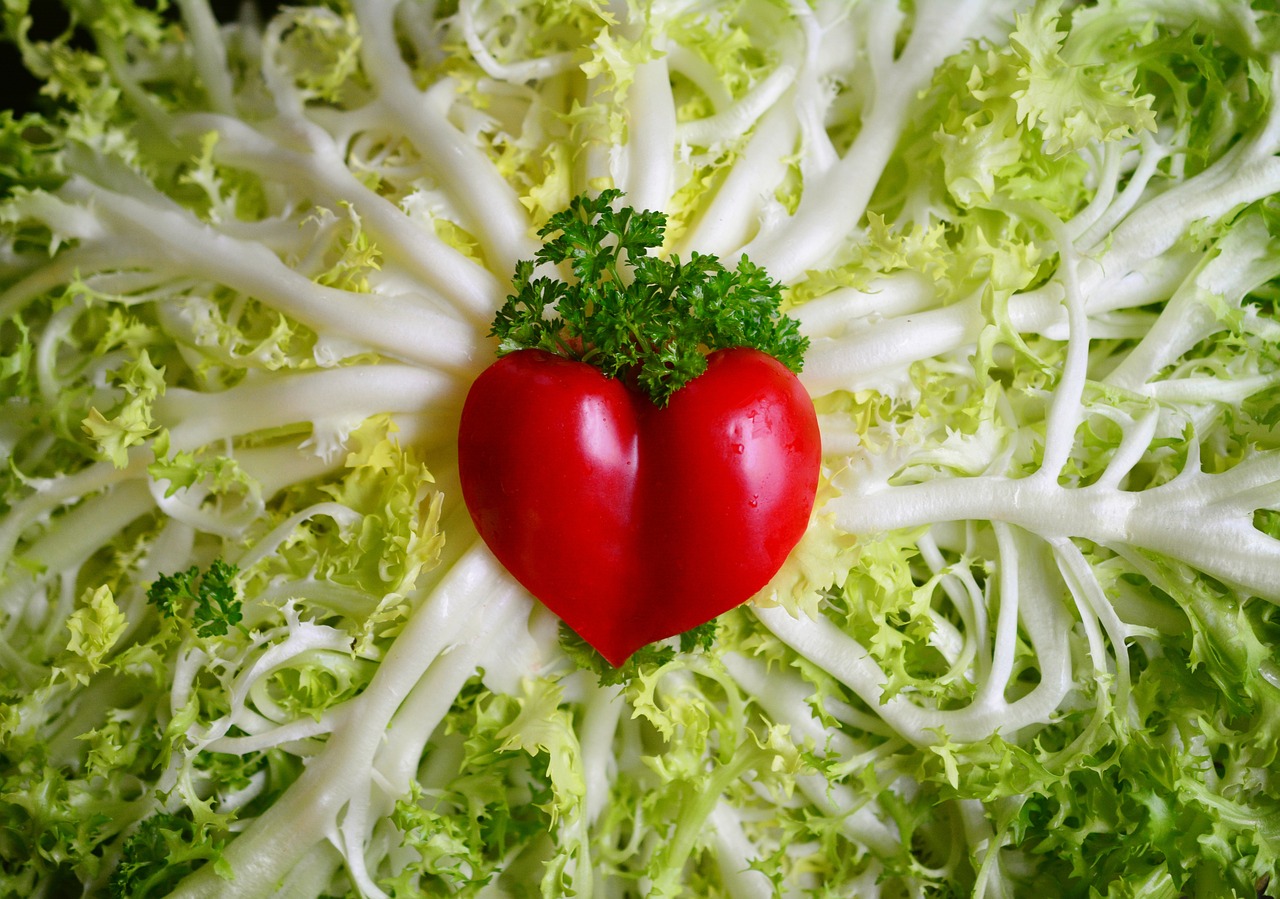
A plant-based diet emphasizes foods derived from plants, including fruits, vegetables, grains, nuts, seeds, legumes, and oils, with minimal to no animal products. This type of diet has gained popularity due to its potential health benefits, ethical considerations, and environmental impact. A well-planned plant-based diet can provide all the essential nutrients required for good health and can help prevent and manage various health conditions. This comprehensive guide explores the components, benefits, challenges, and practical tips for adopting a plant-based diet.
Components of a Plant-Based Diet
A plant-based diet primarily includes a variety of plant foods, each contributing to a balanced intake of essential nutrients. Here are the main components:
Fruits
Fruits are rich in vitamins, minerals, antioxidants, and fiber. They are essential for maintaining a healthy immune system, skin, and overall well-being. Common fruits in a plant-based diet include apples, oranges, bananas, berries, and melons.
Vegetables
Vegetables are a cornerstone of a plant-based diet. They are packed with vitamins, minerals, fiber, and phytonutrients that support overall health. Leafy greens (such as spinach, kale, and arugula), cruciferous vegetables (such as broccoli, cauliflower, and Brussels sprouts), and root vegetables (such as carrots, sweet potatoes, and beets) are all important components.
Whole Grains
Whole grains provide essential carbohydrates, fiber, vitamins, and minerals. They help maintain energy levels and support digestive health. Examples include brown rice, quinoa, oats, barley, and whole wheat products.
Nuts and Seeds
Nuts and seeds are excellent sources of healthy fats, protein, fiber, vitamins, and minerals. They can be consumed as snacks or added to dishes for extra nutrition. Common options include almonds, walnuts, chia seeds, flaxseeds, and sunflower seeds.
Legumes
Legumes, such as beans, lentils, and peas, are high in protein, fiber, vitamins, and minerals. They are a staple in plant-based diets and provide a great alternative to animal proteins. Legumes can be used in soups, stews, salads, and main dishes.
Plant-Based Oils
Plant-based oils, such as olive oil, coconut oil, and avocado oil, are sources of healthy fats. These oils can be used for cooking, dressing salads, and enhancing the flavor of various dishes.
Health Benefits of a Plant-Based Diet
A plant-based diet offers numerous health benefits, including:
Improved Heart Health
Plant-based diets are associated with lower blood pressure, reduced cholesterol levels, and decreased risk of heart disease. This is partly due to the high fiber content, low saturated fat, and abundance of antioxidants in plant foods.
Weight Management
A plant-based diet can support weight management and help prevent obesity. Plant foods are typically lower in calories and higher in fiber, which promotes satiety and reduces overall calorie intake.
Reduced Risk of Chronic Diseases
Plant-based diets can help reduce the risk of chronic diseases such as type 2 diabetes, certain cancers, and metabolic syndrome. The high levels of antioxidants, fiber, and anti-inflammatory compounds in plant foods play a significant role in disease prevention.
Improved Digestive Health
The high fiber content in plant-based diets supports healthy digestion and prevents constipation. A diverse intake of plant foods also promotes a healthy gut microbiome, which is linked to overall health and disease prevention.
Enhanced Immune Function
A diet rich in fruits, vegetables, nuts, seeds, and whole grains provides essential vitamins, minerals, and antioxidants that support a robust immune system. These nutrients help protect the body against infections and promote overall well-being.
Environmental and Ethical Considerations
In addition to health benefits, plant-based diets offer environmental and ethical advantages.
Environmental Impact
Plant-based diets have a lower environmental footprint compared to diets high in animal products. Producing plant foods generally requires less water, land, and energy, and generates fewer greenhouse gas emissions. Adopting a plant-based diet can contribute to sustainability and help mitigate climate change.
Ethical Considerations
Many people choose plant-based diets for ethical reasons, including concerns about animal welfare and the environmental impact of animal farming. Plant-based diets avoid the ethical issues associated with factory farming, animal cruelty, and the depletion of natural resources.
Challenges and Solutions
While a plant-based diet offers many benefits, it also presents some challenges. Here are common challenges and practical solutions:
Nutrient Deficiencies
A poorly planned plant-based diet can lead to deficiencies in certain nutrients, such as vitamin B12, iron, calcium, omega-3 fatty acids, and protein.
- Vitamin B12: This vitamin is primarily found in animal products. Plant-based eaters should consider fortified foods (such as plant milks and cereals) or supplements.
- Iron: Plant-based iron (non-heme iron) is less easily absorbed by the body. Consuming vitamin C-rich foods (such as citrus fruits, bell peppers, and broccoli) with iron-rich plant foods (such as lentils, beans, and spinach) can enhance absorption.
- Calcium: Leafy greens, fortified plant milks, tofu, and almonds are good sources of calcium. Ensuring adequate intake of these foods can help meet calcium needs.
- Omega-3 Fatty Acids: Flaxseeds, chia seeds, walnuts, and hemp seeds are rich in alpha-linolenic acid (ALA), a type of omega-3 fatty acid. Including these foods in the diet can help maintain healthy omega-3 levels.
- Protein: A variety of plant-based protein sources, such as legumes, nuts, seeds, tofu, and tempeh, should be included to meet protein needs.
Social and Cultural Challenges
Adopting a plant-based diet can sometimes be challenging in social and cultural contexts where meat is a dietary staple.
- Dining Out: Research restaurants with plant-based options or call ahead to ask about plant-based dishes. Many restaurants are now offering more plant-based choices.
- Family and Friends: Communicate your dietary preferences and bring plant-based dishes to gatherings. This can introduce others to delicious plant-based foods and create a supportive environment.
Cooking and Meal Preparation
Transitioning to a plant-based diet may require learning new cooking techniques and recipes.
- Education: Invest time in learning about plant-based nutrition and cooking. There are many online resources, cookbooks, and classes available.
- Meal Planning: Plan meals ahead of time to ensure a balanced intake of nutrients. Batch cooking and prepping ingredients can save time and make it easier to stick to a plant-based diet.
Practical Tips for Adopting a Plant-Based Diet
Here are practical tips to help you successfully transition to a plant-based diet:
Start Gradually
Transitioning to a plant-based diet doesn’t have to happen overnight. Start by incorporating more plant-based meals into your diet gradually. This can help you adjust to new foods and cooking methods.
Experiment with New Foods
Explore a variety of plant foods to find what you enjoy. Try different fruits, vegetables, grains, legumes, nuts, and seeds. Experimenting with new foods can make the transition exciting and enjoyable.
Focus on Whole Foods
Prioritize whole, minimally processed foods. Whole grains, fruits, vegetables, nuts, seeds, and legumes should form the foundation of your diet. Minimize the intake of processed plant-based foods, such as mock meats and snacks, which can be high in added sugars, unhealthy fats, and sodium.
Learn to Cook
Cooking at home allows you to control the ingredients and ensure a balanced intake of nutrients. Invest time in learning how to prepare plant-based meals. There are many online resources, cooking classes, and cookbooks available to help you get started.
Plan Balanced Meals
Ensure your meals are balanced by including a variety of plant foods. Aim for a mix of protein, healthy fats, and complex carbohydrates in each meal. For example, a balanced plant-based meal could include a grain (such as quinoa), a protein source (such as beans), and a variety of vegetables.
Stay Informed
Stay informed about plant-based nutrition to ensure you meet your nutritional needs. There are many reliable sources of information, including registered dietitians, reputable websites, and scientific literature.
Be Patient and Persistent
Transitioning to a plant-based diet is a journey that takes time and persistence. Be patient with yourself and recognize that it’s okay to make mistakes along the way. Focus on progress, not perfection.
Sample Plant-Based Meal Plan
Here is a sample one-week meal plan to help you get started on a plant-based diet. Each day includes breakfast, lunch, dinner, and snacks.
Day 1
- Breakfast: Smoothie with spinach, banana, frozen berries, chia seeds, and almond milk
- Lunch: Quinoa salad with chickpeas, cherry tomatoes, cucumber, red onion, and lemon-tahini dressing
- Dinner: Stir-fried tofu with broccoli, bell peppers, carrots, and brown rice
- Snacks: Apple slices with almond butter, baby carrots with hummus
Day 2
- Breakfast: Overnight oats with rolled oats, chia seeds, almond milk, and mixed berries
- Lunch: Lentil soup with tomatoes, carrots, celery, and spinach
- Dinner: Stuffed bell peppers with black beans, quinoa, corn, and avocado
- Snacks: Sliced cucumber with hummus, a handful of mixed nuts
Day 3
- Breakfast: Whole grain toast with avocado, cherry tomatoes, and a sprinkle of hemp seeds
- Lunch: Buddha bowl with brown rice, roasted sweet potatoes, kale, chickpeas, and tahini dressing
- Dinner: Eggplant and chickpea curry with basmati rice
- Snacks: Orange slices, homemade energy balls with dates, oats, and nuts
Day 4
- Breakfast: Chia pudding with chia seeds, almond milk, maple syrup, and fresh berries
- Lunch: Falafel wrap with whole grain tortilla, lettuce, tomatoes, cucumber, and tahini sauce
- Dinner: Vegetable stir-fry with tofu, snow peas, bell peppers, mushrooms, and quinoa
- Snacks: Sliced bell peppers with guacamole, a small handful of trail mix
Day 5
- Breakfast: Smoothie bowl with blended spinach, banana, frozen mango, and topped with granola and coconut flakes
- Lunch: Black bean and corn salad with avocado, red onion, and lime dressing
- Dinner: Spaghetti with marinara sauce, lentil meatballs, and a side salad
- Snacks: Celery sticks with almond butter, a pear
Day 6
- Breakfast: Whole grain pancakes topped with sliced banana, walnuts, and maple syrup
- Lunch: Chickpea salad sandwich with whole grain bread, lettuce, tomato, and avocado
- Dinner: Sweet potato and black bean tacos with corn tortillas, salsa, and cilantro
- Snacks: Fresh fruit salad, roasted chickpeas
Day 7
- Breakfast: Oatmeal with almond milk, flaxseeds, sliced apple, and cinnamon
- Lunch: Veggie burger with whole grain bun, lettuce, tomato, pickles, and sweet potato fries
- Dinner: Lentil and vegetable stew with crusty whole grain bread
- Snacks: Grapes, a small handful of almonds
Conclusion
Adopting a plant-based diet can offer numerous health benefits, support environmental sustainability, and align with ethical considerations. By focusing on a variety of nutrient-dense plant foods, staying informed about nutritional needs, and overcoming challenges with practical strategies, you can successfully transition to and thrive on a plant-based diet. Whether you are looking to improve your health, reduce your environmental footprint, or embrace a more ethical way of eating, a plant-based diet can be a fulfilling and beneficial choice.
4o